
 Reglan Side Effects: Recognizing Tardive Dyskinesia Signs
How Long-term Metoclopramide Use Alters Involuntary Movement
At first, a patient notices a fleeting lip smacking or a subtle blink that feels odd, dismissed as stress. Over months of metoclopramide use these small movements can persist and spread, becoming involuntary and harder to control.
The drug blocks dopamine in the basal ganglia, disrupting motor circuits and promoting abnormal, repetitive movements called tardive dyskinesia. Risk rises with cumulative dose, age, and longer therapy.
Early recognition matters: small repetitive gestures may be the first sign. Discussing symptoms with clinicians quickly can limit progression and guide safer alternatives and treatment.
| Effect | Mechanism |
|---|---|
| Facial/oral movements | Dopamine D2 receptor blockade in basal ganglia |
Early Subtle Symptoms to Watch Every Day
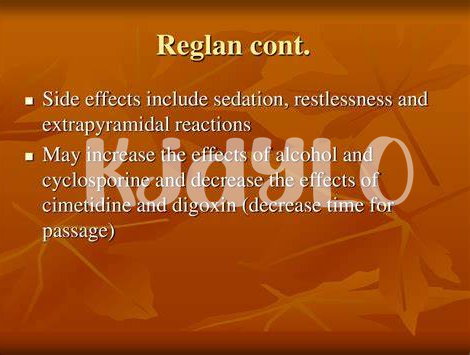
Each morning she noted a tiny change: a lip smacking that felt like a nervous habit, a blink that lingered. These subtle shifts often precede more obvious problems; when metoclopramide (commonly called reglan) is used chronically, small facial tics, repetitive swallowing, or tongue movements can emerge before anything dramatic occurs.
Keep a daily log—time of day, situations, and duration—so patterns become visible. Early signs also include small finger movements, a barely noticeable tremor when holding a cup, or a persistent grimace after speaking; these findings are often intermittent and worsen under stress or fatigue.
If you recognize such changes, discuss medication history with your clinician and consider dose reduction or alternative antiemetics. Early recognition improves outcomes, and timely action can prevent progression to more disabling involuntary movements. Document videos when possible to help clinicians assess changes objectively and intervene early.
Distinguishing Drug-induced Tremors from Other Movement Disorders
A patient notices a fine shake after starting reglan, curious if it’s harmless. Pattern matters: onset tied to dosing, worse with movement or stress, rhythmic rather than the irregular facial movements of tardive problems. Noting timing, location, and sleep suppression helps distinguish causes.
Clinicians assess tremor speed, symmetry, and accompanying signs like rigidity or bradykinesia. Drug-induced tremors often improve after stopping or lowering dose, while degenerative disorders progress. A clear medication history plus brief neurologic testing usually identifies the culprit and directs safer management and enables prompt, targeted, effective treatment.
When to Seek Urgent Medical Evaluation and Testing

Late one afternoon, a patient noticed their lips twitching more than usual after months on reglan; anxiety nudged them toward the clinic for answers and immediate evaluation felt necessary.
If movements escalate quickly, swallowing becomes difficult, breathing sounds change, or balance collapses, prompt neurological assessment, medication review, and urgent testing such as imaging or labs may follow immediately thereafter.
Mention reglan use duration and any sudden personality change; clinicians might order EMG, swallow studies, or videotaped movement analysis to distinguish tardive dyskinesia from other causes and plan treatment accordingly.
When movements threaten breathing or choking, seek emergency care immediately; do not abruptly stop medications yourself, and be prepared to share medication lists and symptom timelines.
Treatment Options and Strategies to Reduce Symptoms
I watched a loved one struggle as small facial tics became persistent; watching reglan help nausea while causing movement changes felt shocking. Understanding options brings hope: early action, medication review, and targeted therapy can slow progression and improve daily life.
Clinicians weigh risks and benefits; a checklist helps guide choices and follow-up.
| Intervention | Notes |
|---|---|
| Discontinue drug | Immediate effect varies |
| Dopamine agents | Specialist evaluation |
If movements persist, insist on reassessment and record videos of symptoms. Many people find improvement after withdrawal or targeted therapy; long-term monitoring and lifestyle measures protect function and dignity while clinicians refine treatment plans. Advocate early and keep documentation.
Preventive Steps for Safer Antiemetic Use Long-term
When a medication becomes part of life, small habits matter: use the lowest effective dose, limit duration, and schedule routine reviews so risks are reassessed before they deepen into complications.
Start with a baseline neurological exam and document findings; teach patients and caregivers specific signs to watch for, encourage daily symptom logs, and maintain open communication with the prescribing clinician.
Prefer short-term alternatives when possible, reassess need continually, taper off when appropriate, and stop promptly at first worrisome movement; refer promptly to neurology if symptoms persist or worsen despite changes.
FDA: Metoclopramide information MedlinePlus: Metoclopramide