
 Provigil Vs. Adderall: Comparing Wakefulness Agents
How Provigil and Adderall Work Differently
Clinical experience shows modafinil promotes wakefulness by subtly shifting neurotransmitter balance in practice. It boosts histamine and orexin pathways, elevates extracellular dopamine through transporter inhibition, and reduces GABA tone. The result feels like quieter, steady vigilance with less jitter and cardiovascular activation than classic stimulants.
Amphetamine salts rapidly increase dopamine and norepinephrine by promoting release and blocking reuptake, flooding synapses. The effect is brisk, potent stimulation with faster onset, stronger cardiovascular and sympathomimetic responses, and greater euphoria and abuse risk. Clinicians observe sharper peaks and rebound fatigue than with modafinil.
| Modafinil | Amphetamines | |
|---|---|---|
| Primary action | Modulates histamine/orexin, inhibits dopamine transporter | Promotes catecholamine release; blocks reuptake |
| Clinical feel | Steady vigilance, milder cardiovascular effects | Brisk stimulation, stronger sympathetic effects |
Efficacy: Who Boosts Alertness Faster, Longer
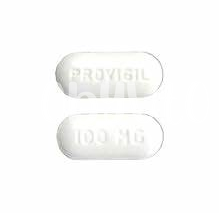
A night-shift clinician once described the split-second lift from Adderall versus the steadier climb of provigil; one hits like a shove, the other like a tide.
Adderall (amphetamine salts) typically produces faster onset—plasma levels rise within an hour and alertness often peaks early—making it useful for rapid symptom relief. Immediate-release doses usually last around 4 to 6 hours, while extended-release formulations can extend coverage toward 10 to 12 hours.
Provigil usually takes longer to reach maximal effect but sustains wakefulness across many hours with a gentler profile and less jitter; its longer half-life produces a smoother decline.
Real-world choice depends on needs: quick, powerful focus versus prolonged, even wakefulness. Individual metabolism, task type, and side-effect tolerance ultimately determine which agent best boosts alertness.
Side Effects, Risks and Long-term Concerns
A patient’s first week on provigil often feels promising: mornings become sharper and late-afternoon fog lifts, but subtle costs can emerge. Common reactions include headache, nausea, and sleep disturbances; these are usually mild but sometimes persist.
With stimulants like Adderall, cardiovascular strain — elevated heart rate and blood pressure — is a more consistent concern, while mood swings and anxiety may appear in either drug. Long-term data for modafinil is more reassuring than for amphetamines, yet reports of tolerance, rare skin reactions, and psychiatric effects mean monitoring is essential.
Clinicians weigh benefits against risks by checking baseline vitals, screening psychiatric history, and planning periodic follow-up; patients should report palpitations, insomnia, or severe rash immediately. Thoughtful prescribing and open dialogue reduce surprises and help sustain safe wakefulness gains. Regular liver and blood tests can be considered for patients with comorbidities or prolonged use.
Abuse Potential, Addiction Risk, Legal Status

In a clinic hallway I once watched a patient weigh options: provigil, a wakefulness-promoting agent, tends to produce alertness without the intense euphoria of amphetamine stimulants, and carries a lower risk of physical dependence. By contrast, amphetamine medications are more reinforcing, have higher misuse potential, and are more tightly controlled (Schedule II in the U.S.), while provigil is Schedule IV and often easier to prescribe.
Clinicians mitigate risks by screening history, monitoring for signs of diversion or cravings, and setting treatment goals. For stimulant responders the clinician may use short courses, close follow-up and dose adjustments; for provigil users emphasis is on sleep hygiene and functional goals. Legal penalties for illicit distribution can be severe.
Practical Prescribing: Dosing, Interactions, Patient Profiles
A cautious clinician frames dosing as a conversation: start low, monitor response, and factor comorbidities. For provigil, typical initiation is modest and adjusted for liver impairment; stimulants require cardiac and psychiatric screening. Check drug interactions especially with anticonvulsants and oral contraceptives.
Tailor choices to patient profiles: older adults, pregnancy, substance history, or comorbid anxiety shift preference. Dosing schedules, timing, and sleep hygiene often matter as much as pills. Engage patients in shared decision making, document goals, and plan follow‑up regularly to adjust therapy safely.
| Drug | Dose |
|---|---|
| provigil | 200mg |
| Adderall | 5-30mg |
Choosing between Them: Real-world Decision Factors
Clinicians frame choices around timing, medical history and work demands; a night-shift nurse and a long-haul driver often require different profiles and lifestyle.
If rapid robust stimulation is needed, stimulants may be favored; for less jitter and lower cardiovascular strain, modafinil-like agents appeal more for many.
Comorbidity matters: anxiety, heart disease, substance history and concurrent medications push prescribers toward one option over another with careful safety monitoring too.
Shared decision-making and trialing doses, plus regulatory constraints and abuse risk, often settle the choice in practice over time with careful follow-up. MedlinePlus: Modafinil FDA label: Provigil (modafinil)