
 Mounjaro Myths Debunked: Separating Facts from Fiction
Mounjaro Miracle Cure or Marketing Hype
Stories of rapid results have propelled this drug into the public eye, folding hope and skepticism together. Social media amplifies anecdotes, making it hard to separate isolated successes from typical results.
Clinical trials show meaningful glucose control and modest weight loss, but outcomes vary and are tied to dosage, lifestyle, and individual biology. Longer trials and diverse populations are still needed to map real-world effectiveness.
Consumers should weigh advertised promises against peer-reviewed evidence, ask targeted questions of their clinician, and remain cautious about treating headlines as medical advice. Interpret cautiously.
| Claim | Evidence |
|---|---|
| Miracle results | Supported by trials but varies by individual |
| Universal cure | No — benefits depend on dose, behavior, and biology |
How Mounjaro Really Works Science Simplified

Imagine your body as a busy city where hormones are the messengers keeping order. Mounjaro acts like a targeted traffic director: it mimics incretin hormones to boost insulin release after meals and slows gastric emptying, which reduces appetite and spikes in blood sugar.
At the cellular level it binds receptors on pancreatic beta cells to amplify glucose-dependent insulin secretion, but only when glucose is present—this lowers hypoglycemia risk compared with older drugs. It also signals to the brain's appetite centers, helping people feel fuller.
This dual action—improving glucose control and curbing hunger—explains why mounjaro can lead to weight loss in addition to diabetes benefits. Still, individual responses vary, so medical supervision is important and recommended.
Weight Loss Claims Versus Real Clinical Evidence
Stories of rapid transformations flood social feeds, but mounjaro’s real-world effects are more nuanced. Clinical trials show significant average weight reduction for many participants, yet results vary with diet, activity and starting weight. Enthusiastic testimonials can obscure that response depends on adherence, dosing and individual metabolism.
Regulatory studies provide a controlled picture: placebo‑adjusted losses are meaningful, but extrapolating to the general population requires caution. Long-term maintenance, behavioral support and monitoring for adverse effects are critical. For clinicians and patients, treating mounjaro as one tool—combined with lifestyle changes and realistic expectations—gives the best chance of sustainable benefit rather than a miraculous quick fix. Shared decision-making and individualized plans remain essential for safe, effective use and follow-up.
Side Effects Minor Annoyance or Serious Concern
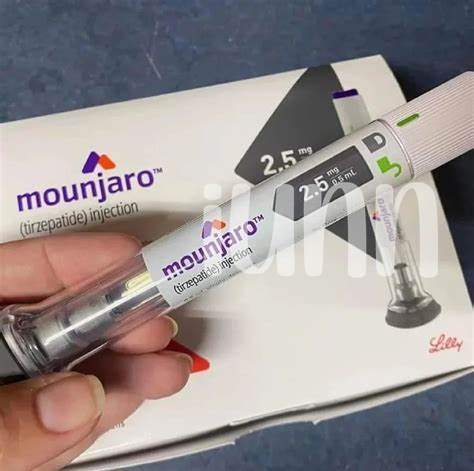
A patient I met described mounjaro as transformative, yet hesitant. Stories online swing between wonder and alarm, so it’s worth pausing. Understanding typical reactions helps separate noise from evidence: some effects are transient, while others prompt closer attention. Context and individual health history matter too.
Common reactions include nausea, diarrhea, constipation and injection‑site redness; most appear early and ease with dose adjustment, slower titration, or simple measures like smaller meals and hydration. Advice from clinicians often prevents escalation. Still, persistent vomiting, severe dehydration, or sudden abdominal pain require prompt evaluation to rule out complications immediately.
Longer‑term safety data remain limited, so clinicians weigh benefits against risks, especially for people with pancreatitis or medullary thyroid cancer risk. Regular follow‑up, lab monitoring and candid conversations about goals and alternatives support decisions. Informed patients can better judge whether potential gains justify continued therapy.
Cost Access and Insurance Coverage Realities
I remember staring at the prescription price and feeling stunned; many patients do.
Manufacturer coupons and clinic assistance programs can lower out‑of‑pocket costs, but eligibility varies widely.
Medicare currently excludes most GLP‑1s from routine coverage, while private plans differ; prior authorization is common for mounjaro.
Patients should compare pharmacy pricing, manufacturer savings, and telehealth programs, and ask clinicians about cost‑saving alternatives. Transparent discussion with insurers and careful budgeting help avoid surprises and determine whether long‑term therapy is financially sustainable. Seek patient assistance foundations and programs when necessary.
| Cost | Coverage |
|---|---|
| Varies |
Long Term Safety Data What We Know Now
When a new drug arrives, questions about long-term effects naturally follow. For tirzepatide, trials so far—mostly up to two years—show consistent metabolic benefits and manageable side effects, but they stop short of revealing decades-long risks. Observational data and ongoing extension studies are filling gaps, yet clinicians emphasize cautious optimism: benefits must be balanced against unknowns, especially for cardiovascular and pancreatic outcomes.
Regulators require continued monitoring, and post-marketing surveillance will be crucial to detect rare adverse events. Large-scale registries and cardiovascular outcome trials are planned to clarify rare harms and to assess effects across diverse populations and more age groups. Patients should discuss personal risk factors and plan regular follow-up rather than assuming permanence of early results. For researchers and prescribers alike, the message is practical: promising early safety, but definitive long-term reassurance awaits larger, longer studies. FDA label PubMed review