
 Mobic Dosage Guide: Safe Use and Precautions
How Mobic Works: Pain Relief and Inflammation
Imagine an internal alarm bell of damaged tissue; meloxicam quiets that bell by targeting cyclooxygenase enzymes, especially COX-2. By blocking COX-mediated prostaglandin production, it reduces swelling, heat and pain signals sent to nerves, so movement and daily tasks become less painful while inflammation calms down. Effects begin within hours and build with regular dosing under careful medical supervision.
This targeted reduction in prostaglandins eases joint stiffness and acute pain but can also reduce protective prostaglandins in the stomach and kidneys. That explains why clinicians emphasize the lowest effective dose for the shortest reasonable time, and why monitoring for gastrointestinal, cardiovascular and renal signs is important during treatment. Discuss risks with your prescriber before starting treatment.
Standard Dosage Ranges and When to Adjust
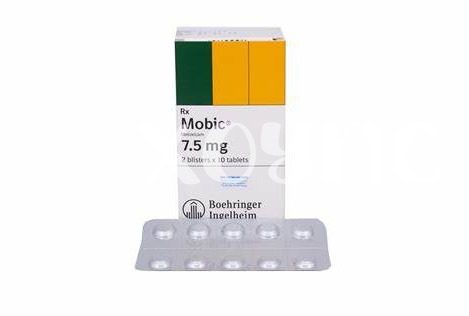
Many people start mobic at the lowest effective dose to ease joint pain and inflammation. Typical adult dosing is 7.5 mg once daily, with some patients requiring 15 mg once daily for stronger control. Clinicians aim for symptom relief while minimizing exposure and side effects.
Dosage may be reduced or avoided in older adults, those with kidney or liver impairment, or when taking blood thinners and certain antihypertensives. Pregnant women should not use it. Any change should follow a clinician’s review to balance risk, effectiveness, and monitoring needs.
Safe Administration Tips: Timing Food and Alcohol
When you start mobic, pick a regular time each day and take it with food or a small snack to lessen stomach irritation. A consistent schedule helps steady blood levels and makes missed doses easier to track; do not double the next dose if you forget.
Always swallow the tablet with a full glass of water and avoid lying down for at least ten minutes. If you have a history of ulcers or take other blood thinners, discuss protective measures like proton pump inhibitors with your clinician.
Limit or avoid alcohol while on mobic because drinking increases gastrointestinal bleeding risk and may worsen kidney effects; consult your prescriber before mixing alcohol or other pain relievers.
Who Should Avoid Mobic: Risk Factors Explained

A quiet caution accompanies mobic: for some people it can do more harm than good. If you have heart disease, uncontrolled high blood pressure, or severe kidney problems, use is risky.
Avoid mobic if you're pregnant, breastfeeding, have active gastrointestinal bleeding, or known NSAID allergy. People on blood thinners or multiple antihypertensives need special review before starting therapy.
Discuss risks with your clinician, who may suggest safer alternatives or dosing changes. Monitor symptoms closely and seek urgent care for chest pain, severe abdominal pain, or sudden swelling, and dizziness promptly.
Recognizing Side Effects: When to Seek Help
A sudden ache reminded her why she kept the leaflet: with mobic, stomach upset or dizziness can be expected, but persistent pain, black stools, or breathlessness are not. Trust your instincts; if symptoms intensify or feel unusual, pause the medication and contact a clinician immediately.
He learned to note warning signs: sudden chest pain, weakness on one side, fainting, severe abdominal cramps, or yellowing skin demand urgent care. Allergic reactions—rash, facial swelling, wheeze—require emergency attention. Keep a list of medications to show providers and mention use of mobic during assessment.
| Symptom | Recommended Action |
|---|---|
| Severe abdominal pain or black stools | Stop drug; seek emergency care |
| Chest pain or weakness | Call emergency services |
| Rash, swelling, difficulty breathing | Go to ER immediately |
| Mild nausea or dizziness | Monitor and consult clinician |
Interactions to Watch: Other Drugs and Supplements
Imagine a medication quietly easing pain while mingling with other prescriptions; common culprits include blood thinners, ACE inhibitors, and diuretics, which can amplify bleeding risk or reduce kidney function significantly.
Combining with NSAIDs, aspirin, or corticosteroids raises gastrointestinal bleeding risk; mixing with lithium or methotrexate may increase serum levels, so coordination with your prescriber matters always to review all medications.
Herbal supplements like ginkgo, garlic, and high-dose fish oil can also boost bleeding tendencies; inform pharmacists about vitamins and botanicals so interactions are checked and dosing adjusted safely by professionals. MedlinePlus - Meloxicam FDA Prescribing Information - Meloxicam