
 Myths and Facts about Lipitor Usage
Lipitor and Heart Health: Myth Vs Reality
Navigating the myths around medication, especially when it involves heart health, can sometimes feel like deciphering a complex script. Many believe Lipitor acts merely as a comp—casting doubts on its effectiveness. Yet, research tells a different tale. Lipitor's role is not just a stat solution; it's a scientifically backed ally proven to lower LDL cholesterol, a key factor in reducing heart disease risk. Despite recurring myths, it's important to trust verified sources and engage in a proper meds check with healthcare professionals to untangle fact from fiction.
| Aspect | Myth | Reality |
|---|---|---|
| Effectiveness | It's a quick fix with minimal benefit | Proven to significantly reduce LDL cholesterol |
| Usage | One-size-fits-all | Prescribed based on individual health needs |
Occasionally, claims arise suggesting that Lipitor's benefits are exaggerated. Yet, studies continue to verify its role in heart health when taken as directed. Often, misconceptions arise from improper meds checks, leading to scepticism. Remember, engaging with your healthcare provider can dispel many of these myths, preventing confusion and ensuring accurate info is recieved.
The Truth about Lipitor and Liver Damage

Beneath the surface of Lipitor's widespread use lies a swirl of myths, particularly regarding liver damage. People often fear that this popular cholesterol-busting med can wreak havoc on the liver, driven by anecdotes and rumors rather than facts. While it is true that some patients might experience elevated liver enzymes—a fact often highlighted in the Sig of their script—severe liver damage from Lipitor is exceedingly rare. In most cases, any increase in liver enzymes is temporary and American Heart Association guidelines generally insist on a Meds Check rather than stopping the dose.
Data suggests that liver-related issues tend to occur less frequently than expected. Regular monitoring allows for identifying potential issues early, ensuring that patients don't need to hastily abandon treatment. It's important to consider the proven benefits Lipitor provides against high cholesterol and cardiovascular risks. Yet, as with any medication, open discussions with healthcare providers can help manage concerns and highlight the distinction between community myths and clinical reality.
Common Misconceptions about Lipitor Side Effects
Lipitor, like any Rx medication, often comes with concerns about side effects, leading to a variety of myths. One common misconception is that it causes severe muscle pain in every patient. While muscular discomfort can occur, it's not typical for all users. Many factors contribute to how these side effects manifest, including other medications or Elixir-like interactions.
It's crucial in Pharm Land to stay informed and not rely solely on word-of-mouth from others who may have experiance different reactions. Consulting your white coat is essential, as they can provide directions on possible side effects and advise if they might occur. With accurate information, you can better navigate any concerns and make an informed decision about using Lipitor in your personal health regimen.
Lipitor Usage in Younger Adults: Fact Check
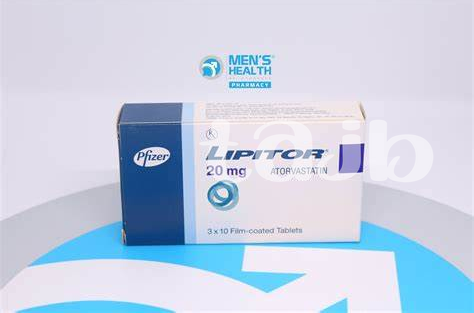
Navigating Lipitor usage in younger demographics often sparks debates among both healthcare professionals and patients. Often, there's a misconception that this statin is only for the older crowd with a long-standing history of heart issues. However, younger adults may recieve a script for Lipitor as a preventive measure, especially if they have a family history of hyperlipidemia or early heart disease. It's vital for patients to follow the prescriber's sig closely to ensure efective and safe use of this compound medication.
Despite initial hesitations, studies suggest Lipitor can be beneficial in maintaining heart health in younger age groups when warranted. Doctors, not exactly a 'Candyman', are increasingly more discerning with statins for younger patients, aiming to prevent future complications rather than treat advanced heart conditions later. The key is personalized care—ensuring that each prescription is backed by a careful assessment of the patient's unique risk factors. A comprehensive Meds Check can determine the full appropriateness of Lipitor in a young adult's health regimen.
Debunking the Lipitor and Weight Gain Myth
Understanding the real impact of Lipitor on weight is crucial. Many folks worry that Lipitor might contribute to an increase in weight, but the reality is quite different. Clinical studies have shown no direct link between Lipitor and significant weight gain. It's possible that other factors, such as lifestyle changes or dietary habits, play a more substantial role in any observed weight fluctuations. It's important to follow the Sig provided by your healthcare provider and not to hold Lipitor accountable for unrelated side effects.
Engaging in regular excercise and maintaining a balanced diet can even enhance the benefits of Lipitor by improving overall heart health. Remember that combining Lipitor with other personal health strategies—perhaps formulated in a comp or dietary plan—can provide significant results.
| Understanding Lipitor Usage | Myth vs. Reality |
|---|---|
| No direct proof of Lipitor causing weight gain | Weight changes likely due to other factors |
Understanding Lipitor Interactions with Other Medications
Lipitor, a top-tier medication, interacts with other drugs in ways patients often overlook. The presence of compounds like some antibiotics or antifungals can alter Lipitor's effect, leading to significant consequences. A Meds Check with your doctor or pharmacist can help manage these interactions effectively. Be cautious about going through the Drive-Thru at your local pharmacy without knowing your current script status. Remember, some over-the-counter meds can also affect how Lipitor performs, so always follow the Sig and discuss with a healthcare professional to avoid complications that might otherwise go unnoticed.