
 Navigating Cytotec Accessibility Across Different Countries
Understanding Cytotec: Uses and Implications Globally
Developed initially for treating gastric ulcers, Cytotec, or misoprostol, has become integral in reproductive health care worldwide. Beyond its original purpose, it's now commonly used to induce labor and manage postpartum hemorrhaging. In nations where access to abortion is limited, Cytotec has become a critical means for women to safely manage unwanted pregnancies. Its efficacy and relative safety have made it a preferred choice for medical professionals and women alike.
Globally, however, the implications of Cytotec's use vary significantly. In countries where abortion is legal, it's part of approved medical protocols. Meanwhile, in regions with restrictive reproductive laws, women often resort to underground networks to obtain it. This disparity highlights a global divide not only in healthcare access but also in women's rights and autonomy over their reproductive health.
```html
| Use | Country | Legal Status |
|---|---|---|
| Gastric Ulcers | Global | Legal |
| Labor Induction | Varied | Permitted in some regions |
| Abortion | Restrictive Regions | Often Illegal |
Considering its multifaceted applications, Cytotec underscores the intersection of medical innovation and societal norms. Healthcare policies, societal attitudes towards reproductive rights, and individual autonomy all play pivotal roles in its accessibility. Its story is emblematic of larger global health challenges, advocating for a nuanced understanding that transcends borders.
Legal Regulations: Varied Stances Across Continents

Cytotec, initially established as an ulcer treatment, has gained attention for its off-label use in reproductive health. This divergence in use has led to a patchwork of legal stances around the globe. In North America and Europe, strict regulations often limit its availability solely to ulcer treatment. Contrastingly, many Latin American and African countries face more lenient or chaotic oversight, resulting in varied access levels. This disparity highlights the complex legal landscape where medical necessity and policy often clash.
The Role of Online Pharmacies in Accessibility
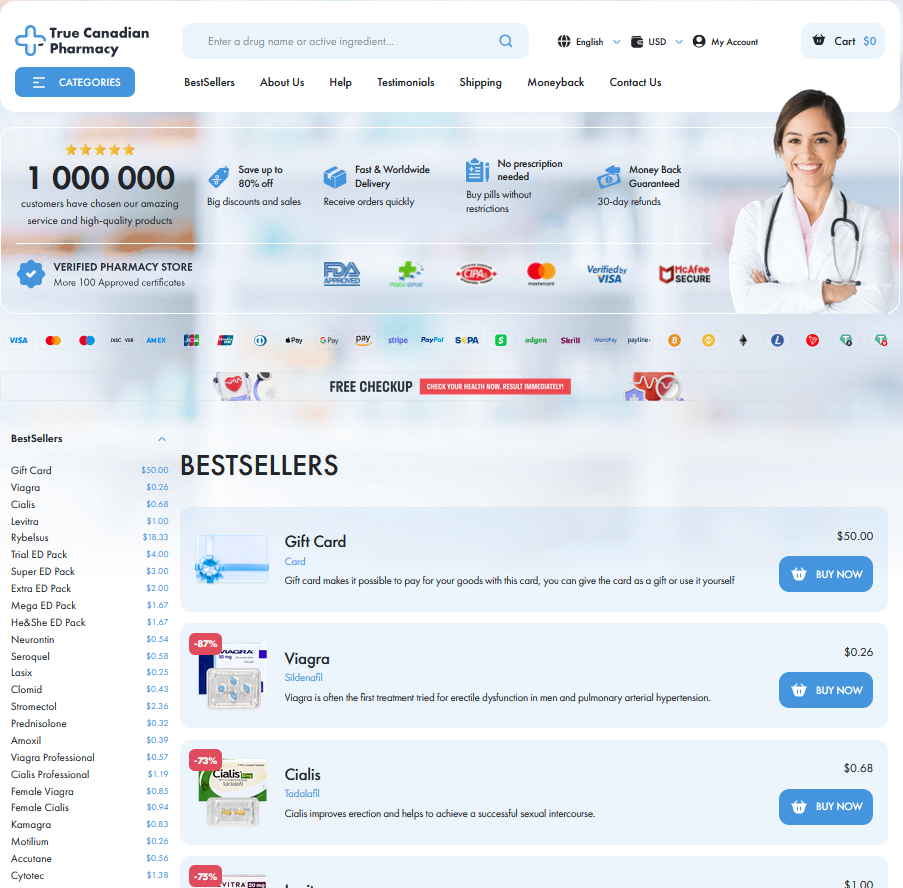
As digital landscapes broaden, online pharmacies have emerged as pivotal players, reshaping how Cytotec becomes available worldwide. These platforms bridge geographic and regulatory divides, offering users an option to procure the drug despite varying local restrictions. Yet, with convenience comes complexity; the legitimacy of online pharmacies and the authenticity of their products remain constant concerns. This evolving dynamic invites rigorous discussion and underscores the duality of online pharmacies as both a solution and a potential risk in global healthcare access.
Challenges Faced by Women in Restricted Regions

In regions where Cytotec's accessibility is heavily restricted, women encounter a labyrinth of challenges when seeking reproductive health solutions. Lack of availability and prohibitive regulations can drive them to unregulated markets, posing significant risks. Frequently, individuals face societal stigma and legal repercussions, creating a climate of fear and uncertainty. Stories abound of women traveling vast distances or resorting to clandestine means to obtain the medication, often at inflated prices, adding financial burdens to an already stressful situation.
In cases where legal pathways exist, bureaucratic hurdles and a scarcity of knowledgeable healthcare providers can delay access, exacerbating the vulnerability of women. Additionally, misinformation surrounding the medication's usage can lead to improper administration. These barriers not only endanger women's health but also underscore the urgent need for global advocacy and policy reform.
Activism and Advocacy for Reproductive Rights
In many parts of the world, the role of grassroots organizations and activists is pivotal in improving access to reproductive health solutions like Cytotec. These advocates tirelessly strive to shine a light on barriers that women face, raising awareness and lobbying for more inclusive policies. Through digital campaigns, community outreach, and international dialogues, they amplify the voices of those often unheard.
Their work not only involves promoting access to medications but also supporting comprehensive reproductive education and healthcare services. By collaborating with legal experts and health professionals, these activists help navigate complex legal frameworks that often restrict rights. The outcome is a fascinating blend of local action with global solidarity, driving meaningful change and ensuring that the right to choose becomes a universal reality.
| Component | Role |
|---|---|
| Grassroots Organizations | Advocacy and policy reform |
| Digital Campaigns | Increase awareness and engagement |
| Collaborations | Linking legal and health expertise |
Future Outlook: Global Trends and Accessibility
Emerging global trends indicate a gradual relaxation of restrictions surrounding Cytotec, driven by increasing awareness of reproductive rights and access to healthcare. Some countries are revisiting their legislation to align with international human rights standards, fostering a broader acceptance of Cytotec for medical purposes. Concurrently, advancements in telemedicine and global health initiatives aim to enhance accessibility, especially in underserved regions. These efforts reveal a progressive shift towards equitable healthcare and reproductive autonomy, reshaping the landscape of Cytotec accessibility worldwide. For more detailed insights, see sources like World Health Organization and National Center for Biotechnology Information.