
 Clindamycin and Antibiotic Resistance — How Resistance Develops, Prevention
How Resistance Silently Emerges Inside Bacterial Communities
A tiny cluster of microbes can harbor a quiet revolution: rare mutants survive an antibiotic pulse and multiply in small niches of the body.
Horizontal gene exchange spreads resistance traits across species within biofilms, creating mixed populations where defenses accumulate unseen via plasmids and transposons.
Subinhibitory drug levels select for tolerance, while stress responses and persister cells shield genomes until conditions favor expansion and metabolic shifts enable survival.
Surveillance gaps let these shifts go unnoticed; targeted diagnostics and careful prescribing are needed to catch resistance before outbreaks and rapid spread.
Mechanisms Bacteria Use to Evade Lincosamide Antibiotics

A small hospital microcosm hides a war: bacteria whisper genes to one another and remodel their ribosomes so clindamycin can no longer bind. Methyltransferases (erm genes) change the 23S rRNA, point mutations tweak ribosomal proteins, and enzymes like Lnu chemically inactivate the drug. Efflux pumps also eject the antibiotic before it reaches its target.
In communities and biofilms, slow-growing persisters survive pulses of therapy and later repopulate, while mobile plasmids and transposons shuttle resistance across species by conjugation and phage-mediated transfer. Diagnostic delays and improper dosing amplify selection for these traits. Understanding these layered defenses helps clinicians target therapies and limit spread by careful tailoring treatment, rapid testing for inducible resistance, and reducing unnecessary exposures.
Clinical Consequences: Treatment Failure and Infection Spread
A patient initially responds to clindamycin, then relapses when resistant strains expand within tissue. What felt like a routine cure becomes a drawn-out ordeal, with repeat visits, broader-spectrum drugs, and growing uncertainty about outcomes now.
Clinically, failure forces escalation: longer hospital stays, intravenous therapy, surgical drainage, and sometimes ICU care. Resistant pathogens also raise the chance of complications such as sepsis, undermining recovery and increasing both morbidity and healthcare costs.
In wards and neighborhoods, resistant strains hitch rides on hands, surfaces, and shared devices, silently colonizing people who feel well. Plasmids and transposons shuttle resistance genes between species, turning isolated failures into community-level threats rapidly.
The ripple effects reach beyond individual patients: crowded clinics, strained laboratories, and cautious prescribers. Families confront repeated absences, clinicians face limited options, and public health systems must allocate resources to containment and surveillance and research.
Role of Misuse and Overprescribing in Driving Resistance
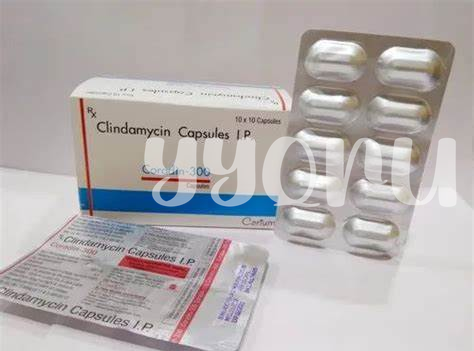
A patient leaves the clinic clutching a prescription for clindamycin after a viral illness, convinced antibiotics are harmless. Unnecessary exposure selects resistant mutants in their microbiome, turning harmless bacteria into reservoirs of resistance that can spread to others. Invisible plasmids and mobile elements amplify that risk across species.
Clinicians who prescribe without clear indications, and patients who stop early or share pills, accelerate selection and transmission. Stewardship, targeted diagnostics and education reduce misuse, preserve drug potency, and curb community-level emergence of treatment-refractory infections and burden healthcare systems with higher costs.
Practical Prevention: Stewardship, Diagnostics, and Patient Education
A clinician remembers a patient whose skin infection worsened despite clindamycin, a reminder that prevention starts before prescribers reach for antibiotics. Clear protocols and testing can stop this cycle quickly.
Stewardship teams set evidence-based guidelines, limit unnecessary courses, and review local resistance patterns so therapy targets true pathogens rather than driving community-wide resistance. Regular antibiotic audits and feedback improve prescribing behavior.
Rapid diagnostics narrow therapy: point-of-care tests, culture with susceptibility, and molecular assays reveal who truly needs clindamycin versus alternative agents, reducing selection pressure and preserving effectiveness for patients and communities.
Patient education about adherence, side effects, and when antibiotics are unnecessary empowers choices and lowers resistance risk across networks through clear materials and follow-up.
Future Strategies: Novel Drugs, Phages, and Combination Therapies
Pioneering research is shifting the battle against resistant pathogens from single antibiotics to smarter approaches. Novel small molecules aim to bypass known resistance mechanisms while minimizing collateral damage.
Phage therapy resurrects viruses that infect bacteria, offering targeted killing and potential synergy with clindamycin-resistant strains. Precision matching and regulatory hurdles remain, but clinical interest is rising globally each decade.
Combination therapies pair lincosamides with inhibitors of resistance enzymes or membrane-acting agents, restoring activity against tolerant populations and reducing resistance selection pressure, shown promise in small trials.
Translational pipelines need funding and trials to validate safety, dosing, and delivery. Collaboration between clinicians, researchers, and regulators will accelerate useful, accessible anti-infective options. worldwide adoption StatPearls CDC