
 Managing Dry Skin and Lips on Accutane Effectively
Daily Gentle Cleansing and Moisturizing Routine for Relief
Each morning, treat your skin like a fragile canvas. Use a sulfate-free, pH-balanced cleanser with lukewarm water, pat dry, then apply a lightweight, fragrance-free moisturizer while skin is slightly damp to lock in moisture. Short, gentle routines reduce stripping and irritation; avoid foaming soaps and hot showers that worsen dryness.
At night, add a richer emollient or ointment to seal hydration, especially on cheeks and nose, and consider gentle, non-medicated exfoliation once weekly to remove flaky buildup. Keep products simple: minimal actives, no alcohol or fragrance. If lips or eyes feel especially tight, use targeted balms and eye creams. Consistency, short routines, and listening to your skin prevent flare-ups. Reapply after washing throughout the day.
| Step | Example |
|---|---|
| Cleanse | Sulfate-free gel |
| Moisturize | Fragrance-free cream/ointment |
Top Hydrators: Creams, Ointments, and Hyaluronic Boosters

When accutane dries your skin, reach for rich textures that soothe rather than strip. Start with a fragrance-free, ceramide-rich cream applied to damp skin. Gentle pressure helps absorption and prevents unnecessary rubbing or irritation. Daily.
Ointments act as occlusives, locking moisture in after lighter lotions. Use petrolatum or beeswax-based balms sparingly on cracked areas; they’re especially helpful overnight. Remember to pat, don’t rub, and avoid scented formulas to minimize reaction.
Hyaluronic acid serums draw water into the skin, but require a moisturizer seal to prevent evaporation. Apply while skin is slightly damp, then follow with a cream or ointment. Use lower concentrations if peeling occurs.
Prefer products labeled non-comedogenic and fragrance-free; patch test before full use. Nighttime layering often provides best relief, and don’t mix strong exfoliants while on accutane. Contact your dermatologist if redness, swelling, or persistent cracking worsen.
Lips Survival Kit: Balms, Overnight Masks, Gentle Exfoliation
I learned early on that constant chapping on accutane demands ritual more than luck. Start evenings with a thick ointment nightly to seal moisture while you sleep, and carry a simple balm during the day to patch cracks before they deepen. Avoid flavored or mentholated products that sting; choose hypoallergenic, fragrance-free formulas with petrolatum or beeswax for lasting protection. Reapplying after eating or drinking keeps lips supple throughout busy days.
Once weekly, softly buff away flakes with a damp washcloth or a finely milled sugar scrub to reveal smooth skin; be extra gentle to avoid microtears. For overnight repair, a thick occlusive applied before bed accelerates healing and reduces painful splits by morning. If cracks persist despite careful care, consult your clinician — sometimes prescription ointments or treatment pauses are needed while on accutane to prevent infection and promote recovery.
Lifestyle Tweaks: Humidifiers, Water Intake, and Diet
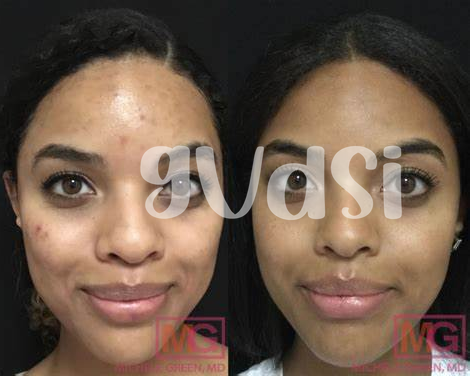
I learned early on that small environmental shifts made a huge difference during my accutane course. A steady humidifier in the bedroom softened morning skin and reduced flaky patches noticeably.
Consistent water intake felt basic but effective; sipping through the day kept lips less parched and supported barrier repair. Aim for regular intervals rather than gulping large amounts at night.
Food choices mattered too; omega‑3 rich fish and flaxseeds nourished skin from inside while limiting alcohol and excessive caffeine helped maintain hydration and reduce inflammation during treatment consistently.
Sleep and gentle exercise complete the picture; they boost circulation and support repair. Small habit changes compounded over weeks, making accutane’s dryness far more manageable each day.
Avoiding Irritants: Ingredients, Routines, and Sun Protection
When you’re on Accutane, small product choices matter. Skip alcohol, strong acids, and fragrances that strip skin barrier; opt for simple, hypoallergenic cleansers and creams.
Streamline routines: fewer steps mean fewer reactions. Patch-test new items, introduce one product weekly, and avoid daily physical scrubs that aggravate flaking.
Always use broad-spectrum SPF daily and reapply, and protect lips with thick balms. Listen to your skin and tell your dermatologist about persistent redness or pain.
| Don't | Do |
|---|---|
| Alcohol, fragrance, physical scrubs | Gentle cleanser, emollient cream, SPF, lip balm, hyaluronic serum, reapply daily |
When to Call Your Dermatologist: Warning Signs
Most dryness on Accutane is expected, but some changes merit an urgent call. If lips or skin crack and bleed repeatedly, if painful fissures or deep sores develop, or if redness spreads with warmth, pus, or fever suggesting infection, contact your dermatologist right away.
Also watch systemic symptoms: severe headaches, vision changes, persistent joint or muscle pain, unexplained bruising, yellowing of skin or eyes, or sudden mood swings and suicidal thoughts — these require immediate evaluation. Routine bloodwork that shows high triglycerides or liver enzymes should trigger a provider review.
Never ignore pregnancy concerns while taking isotretinoin; if pregnancy is possible, stop the medication and contact your clinician immediately for testing and guidance. If uncertain whether a symptom is serious, call — early communication prevents complications and allows safe treatment adjustments. Bring a time-stamped photo when symptoms change rapidly, please.
American Academy of Dermatology: Isotretinoin FDA: Isotretinoin (Accutane) Information