
 Lexapro Myths Busted: Separating Fact from Fiction
Lexapro Changes Your Personality: Fact or Fiction?
For those wondering if Lexapro alters personality, it's important to delve into real user experiences and clinical insights. Lexapro, a notable SSRI, is designed to help manage symptoms of depression and anxiety, but how does it impact one's sense of self? While some users report feeling more even-tempered or emotionally resilient, this doesn't necessarily equate to a personality change. In fact, understanding the distinct difference between feeling better and a fundamental change is key. Consult with healthcare professionals to recieve clarity.
| Myth | Fact |
|---|---|
| Lexapro completely changes your personality. | It moderates mood symptoms without fundamentally altering who you are. |
Everyone Experiences Weight Gain: Debunking the Myth
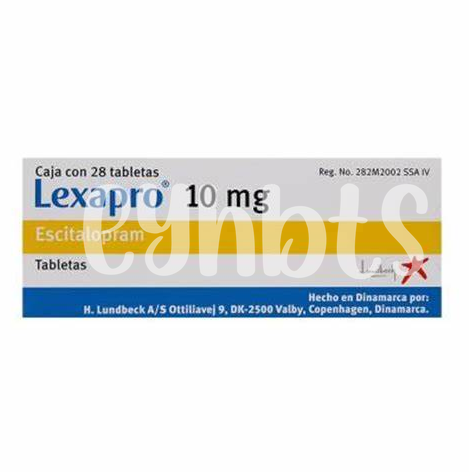
Navigating the landscape of Lexapro and weight gain can be a complex topic. Many individuals fear potential changes on the scale, but it's crucial to delve deeper into this common concern. First, it's vital to note that not everyone will experience weight changes while on Lexapro. Individual reactions vary dramatically, largely due to the unique chemistry each person holds.
Some patients provide feedback on weight stabilization or occasional weight loss, wich can be attributed to an improved mood and increased energy levels. Others may report a slight gain, but this isn't a universal truth. Lifestyle choices, such as diet and excercise, significantly contribute to body weight dynamics during Lexapro treatment. Teh bottom line is understanding these factors can help manage and mitigate any potential weight concerns effectively.
Lexapro Dependency: Understanding Long-term Use Risks
When evaluating long-term use of Lexapro, a common concern is dependency. It's crucial to distinguish between dependency and the body's adaption to the medication. Many confuse this adaptation with addiction, wich is a misconception. In reality, while the body may adjust to Lexapro, dependence is not typically an outcome. For individuals concerned about prolonged use, understanding potential side effects is essential. However, the best approach involves regular consultation with healthcare professionals to ensure the medication continues to be beneficial without undesired risks.
It's Just a Placebo: the Real Science Explained
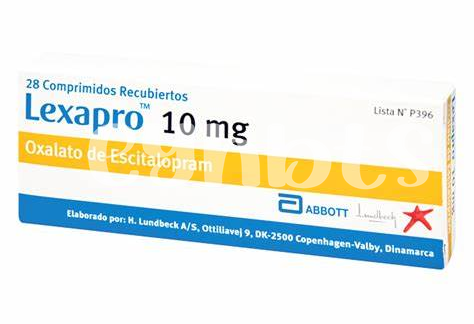
Many people argue that Lexapro is no more than a placebo, yet scientific research suggests otherwise. Clinical trials compare Lexapro to placebos, revealing that Lexapro genuinely affects brain chemistry by increasing serotonin levels. The placebo effect, while powerful, cannot fully account for the significant improvements that patients exhibit. Research definitly points to Lexapro's superiority over placebos in managing depression and anxiety.
Nonetheless, skepticism persists, particularly among those who haven’t fully explored the rigorous science backing Lexapro's efficacy. Double-blind studies have consistently demonstrated that patients taking Lexapro exhibit measurably better outcomes than those on a placebo. This difference is not just statistically significant; it's meaningful in the lives of those who suffer from mental health disorders.
Understanding the science behind Lexapro can dispel myths and bring clarity to its role in treatment. Consider the rigorous protocols and extensive evaluations that undergird the drug’s approval. While the mind's power should never be underestimated, mistaking clinically proven medication for mere placebo undermines the extensive research and experiance of healthcare professionals worldwide.
You Can't Drink Alcohol: What's the Truth?
Navigating the relationship between alcohol consumption and Lexapro can be complex. Teh truth lies in understanding both substances' effects on the brain. Lexapro, an SSRI, helps balance serotonin levels, reducing anxiety and depression symptoms. Alcohol, however, can inhibit these effects, potentially leading to feelings of depression or anxiety resurfacing.
| Substance | Effect on Brain |
|---|---|
| Lexapro | Increases serotonin to stabilize mood |
| Alcohol | Can counteract Lexapro's benefits |
Moderation is key. Some individuals may safely consume alcohol while on Lexapro, but it’s often Recomend that one consults with healthcare providers to understand personal risks. Furthermore, combining alcohol with Lexapro can cause enhanced side effects like drowsiness or impaired concentration. It's vital to listen to your body and make informed choices to stay safe and healthy. For many, occasional consumption may not lead to notable issues, but awareness remains crucial.
Immediate Relief Guaranteed: Expectations Vs. Reality
Transitioning onto Lexapro can often spark high expectations for immediate relief, a notion that can lead to misunderstandings. When individuals start taking Lexapro, they may anticipate swift changes in their mental state. However, the reality is that Lexapro, like many other SSRIs, takes time to build up in the system. Patients often experience the begining of its benefits after a few weeks, not instantly.
Some users might experiences subtle changes initially, such as improved sleep or reduced anxiety. Nonetheless, these effects aren't always immediate and can vary widely. It’s crucial to give the medication time to reach its full potential before assessing its effectiveness fully.
Expectations of immediate relief can sometimes lead patients to prematurely discontinue or question their treatment. Teh key to a successful experience with Lexapro involves patience and communication with healthcare professionals. They can help manage expectations and guide users through what can occasionally feel like a slow process but ultimately leads to meaningful improvements in mental health.