
 Accutane and Your Diet: Foods to Embrace and Avoid
Understanding Accutane: the Impact on Skin and Health
Accutane, or isotretinoin, is a potent medication primarily used to treat severe acne. It works by targeting and reducing the size of oil glands in the skin, significantly decreasing the amount of oil produced. This, in turn, helps unclog pores and reduce acne. However, because it impacts the skin's oil production, Accutane can lead to dryness and increased sensitivity. Users may experience skin peeling or irritation as potential side effects. Beyond the skin, Accutane also affects overall health, including potential impacts on cholesterol levels and liver function, necessitating regular monitoring. Understanding these effects is crucial for anyone considering or currently on Accutane, as it helps in anticipating and managing side effects while maximizing the therapeutic benefits for clearer, healthier skin.
| Effect | Description |
|---|---|
| Reduces Oil Production | Targets oil glands, reducing secretion. |
| Skin Dryness | May cause dryness and peeling. |
| Cholesterol Impact | Can affect cholesterol and liver function. |
Essential Nutrients to Support Skin Health on Accutane
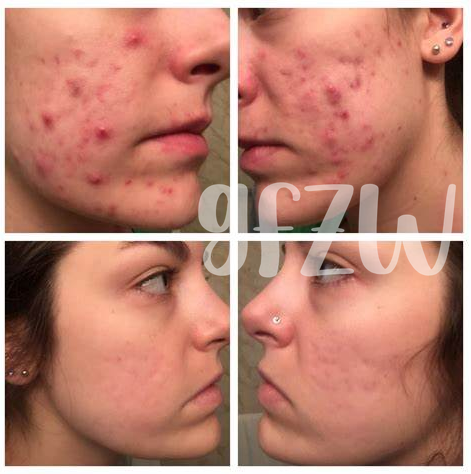
Navigating the journey with Accutane requires a keen focus on nutrition to maintain skin vitality and overall health. Omega-3 fatty acids, found abundantly in fish like salmon and walnuts, play a crucial role in reducing inflammation and keeping skin supple during treatment. These healthy fats are not only essential for skin health but also support mental well-being, which can be affected by Accutane.
Vitamin E, renowned for its antioxidant properties, helps shield the skin from damage. Integrating foods like almonds, sunflower seeds, and spinach into your diet can fortify your skin's resilience, offering a protective barrier while on Accutane. Zinc is another vital nutrient, pivotal for skin repair and regeneration. Incorporating lean meats, chickpeas, and pumpkin seeds ensures you're bolstering your skin's natural healing powers.
Foods Rich in Vitamins: a Must-have for Skin Repair
Accutane, a potent medication for severe acne, can strip your skin of its natural oils, making it crucial to fuel your body with the right vitamins to aid skin repair. Vitamin A is vital, not only because it's related to Accutane’s active ingredient isotretinoin but also for its role in maintaining skin health. Include foods like sweet potatoes and carrots, which offer beta-carotene that converts into vitamin A in the body.
In addition to vitamin A, integrating vitamin C-rich foods like oranges, strawberries, and bell peppers can bolster collagen production, which is essential for skin elasticity and repair. Furthermore, vitamin E, found in nuts and seeds, acts as an antioxidant, providing additional support against oxidative stress on the skin. These vitamins, when combined, form a powerhouse for your skincare routine while on Accutane.
Hydration Heroes: Beverages and Foods for Moisture

While on Accutane, keeping your skin hydrated is essential, not just for comfort but also for maintaining its elasticity and health. The skin tends to dry out, making it crucial to embrace foods and beverages that fortify hydration from within. Water-rich foods, like cucumbers and watermelon, provide much-needed moisture.
Integrating hydration heroes into your daily routine doesn't stop at solid foods. Incorporate fluids such as coconut water and herbal teas. These beverages not only offer hydration but also deliver essential electrolytes, aiding in skin vitality.
In addition to water, aim for fluids containing vitamins and minerals, which can bolster skin hydration and help combat the drying effects of Accutane. Soups, especially those made with bone broth, can also be an excellent source of moisture and nutrients, ensuring the skin remains supple and resilient during treatment.
Foods to Avoid: Minimizing Side Effects and Discomfort
Integrating the right diet while on Accutane is pivotal in mitigating its side effects. Foods high in vitamin A, such as liver and certain dairy products, can exacerbate vitamin A toxicity, as Accutane already elevates its levels in the body.
### Foods to Avoid
| Ingredient | Reason for Avoidance | |---------------|----------------------------------------------| | Liver | High in vitamin A, increasing toxicity risk | | Alcohol | Strains the liver, potentially intensifying dryness and irritation |
Processed foods, often rich in unhealthy fats and sugars, can increase inflammation in the body, potentially worsening skin health. Instead, focus on wholesome, nutrient-dense alternatives that promote overall well-being.
Meal Planning Tips for a Balanced Diet on Accutane
Crafting a well-rounded meal plan while on Accutane involves focusing on nutrient-dense foods that promote skin health and overall well-being. Begin by incorporating plenty of fruits and vegetables; their antioxidants are key to combating the oxidative stress linked with Accutane. Lean proteins like chicken, fish, and legumes support skin repair and cellular function, while whole grains offer essential fiber for gut health—a crucial aspect that can influence skin condition indirectly. Don’t overlook the importance of healthy fats found in avocados, nuts, and oily fish, which help maintain skin's moisture barrier. For more comprehensive insights, consider exploring these resources: NCBI Study on Skin, JAAD on Acne Treatment.