
 Symbicort Vs Other Asthma Inhalers: a Comparison
Understanding Symbicort: Key Ingredients and Mechanism
Symbicort emerges as a vital player in asthma management, combining two powerful ingredients: budesonide and formoterol. Budesonide, a corticosteroid, combats inflammation in the airways, reducing the frequency of asthma episodes. Formoterol, a long-acting beta-agonist, works by relaxing muscles in the airways, leading to smoother breathing.
| Ingredient | Function |
|---|---|
| Budesonide | Reduces inflammation |
| Formoterol | Relaxation of airway muscles |
This combination provides ongoing relief and is especially suited for those needing regular attention to prevent severe symptoms.
Comparing Effectiveness: Symbicort Versus Common Alternatives
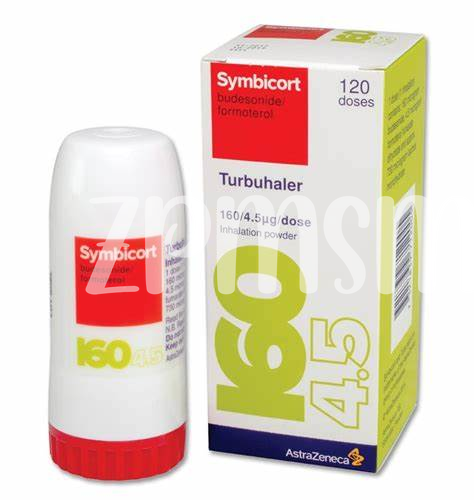
Symbicort uniquely combines budesonide, a corticosteroid, and formoterol, a long-acting beta-agonist, delivering not just quick relief but also long-term management of asthma symptoms. This dual action stands in contrast to albuterol inhalers, which primarily offer rapid relief but lack anti-inflammatory properties. In comparison, Advair also combines a corticosteroid and a long-acting beta-agonist, like Symbicort, yet differences in formulation and dosage flexibility can affect individual outcomes. Meanwhile, inhalers like Singulair take a pill-based approach, targeting allergic components of asthma. The effectiveness of Symbicort often shines in its ability to cater to persistent asthma, balancing immediate relief with ongoing inflammation control.
Side Effects Overview: Symbicort and Other Inhalers
Navigating the landscape of asthma inhalers can be daunting, with each treatment presenting its unique set of potential side effects. Symbicort, for instance, is often lauded for its dual-action therapy but can lead to common side effects like throat irritation and headache. These are usually mild but worth noting.
Other inhalers, such as corticosteroid-based options, might contribute to oral thrush or voice changes. Understanding these differences is crucial for those managing chronic asthma. By being well-informed, patients can choose inhalers that best fit their needs and lifestyle.
Pricing and Accessibility: Symbicort in the Market

When considering asthma inhalers, cost and availability often weigh heavily in the decision-making process for patients. Symbicort, as a combination inhaler, merges budesonide and formoterol to deliver both anti-inflammatory and bronchodilator effects. Generally, Symbicort tends to be priced higher compared to some single-component inhalers due to its dual-action formula, which offers convenience and efficacy in a single device. However, prices can vary substantially based on insurance coverage, geographical location, and pharmacy choice.
In terms of accessibility, Symbicort holds a strong market presence. It's widely available across pharmacies, both physical and online, which makes it an accessible option for many patients. Some pharmaceutical assistance programs also offer support to reduce costs, broadening accessibility for those who might otherwise find it financially burdensome.
Patient Experiences: Testimonials on Symbicort and Rivals
Many patients using Symbicort have shared their experiences, noting significant improvements in their asthma management. One user recounted how Symbicort transformed their night time routine, alleviating frequent interruptions due to coughing and breathlessness. Such positive outcomes highlight Symbicort’s dual mechanism, combining a corticosteroid and a long-acting bronchodilator to tackle inflammation while relaxing airway muscles.
Contrastingly, experiences with other inhalers such as Advair and ProAir reveal varied responses. Some patients report similar benefits, achieving stable control over symptoms. However, others have found these alternatives less effective in managing severe asthma attacks, often reverting back to Symbicort for consistent relief.
"Our clinic has observed a clear preference for Symbicort among patients due to its efficient symptom control," notes a healthcare provider. This sentiment reflects in patient testimonials, showing the tangible impact medication choice can have on daily life quality.
| Patient | Inhaler Used | Experience Rating (1-5) | |---------|--------------|-------------------------| | John | Symbicort | 5 | | Emily | Advair | 4 | | Rachel | ProAir | 3 |
Professional Opinions: Doctors’ Views on Asthma Inhalers
In the realm of asthma management, medical professionals often emphasize the importance of tailored treatment plans to address individual patient needs. Symbicort, a combination inhaler, is frequently highlighted by doctors for its dual-action formula, which includes both a corticosteroid and a bronchodilator. This combination is specifically noted for addressing both the inflammatory component of asthma and quick relief of symptoms, potentially reducing the frequency and severity of asthma attacks.
Healthcare providers compare Symbicort with other inhalers, such as long-standing favorites like Ventolin and Advair, considering several factors. Physicians appreciate Ventolin for its immediate symptom relief through its fast-acting beta-agonist properties, though it lacks the anti-inflammatory benefits of Symbicort. Meanwhile, Advair, another combination inhaler, is similar to Symbicort but may present different response patterns in patients, encouraging doctors to factor in individual patient histories and response to treatment while making their recommendations.